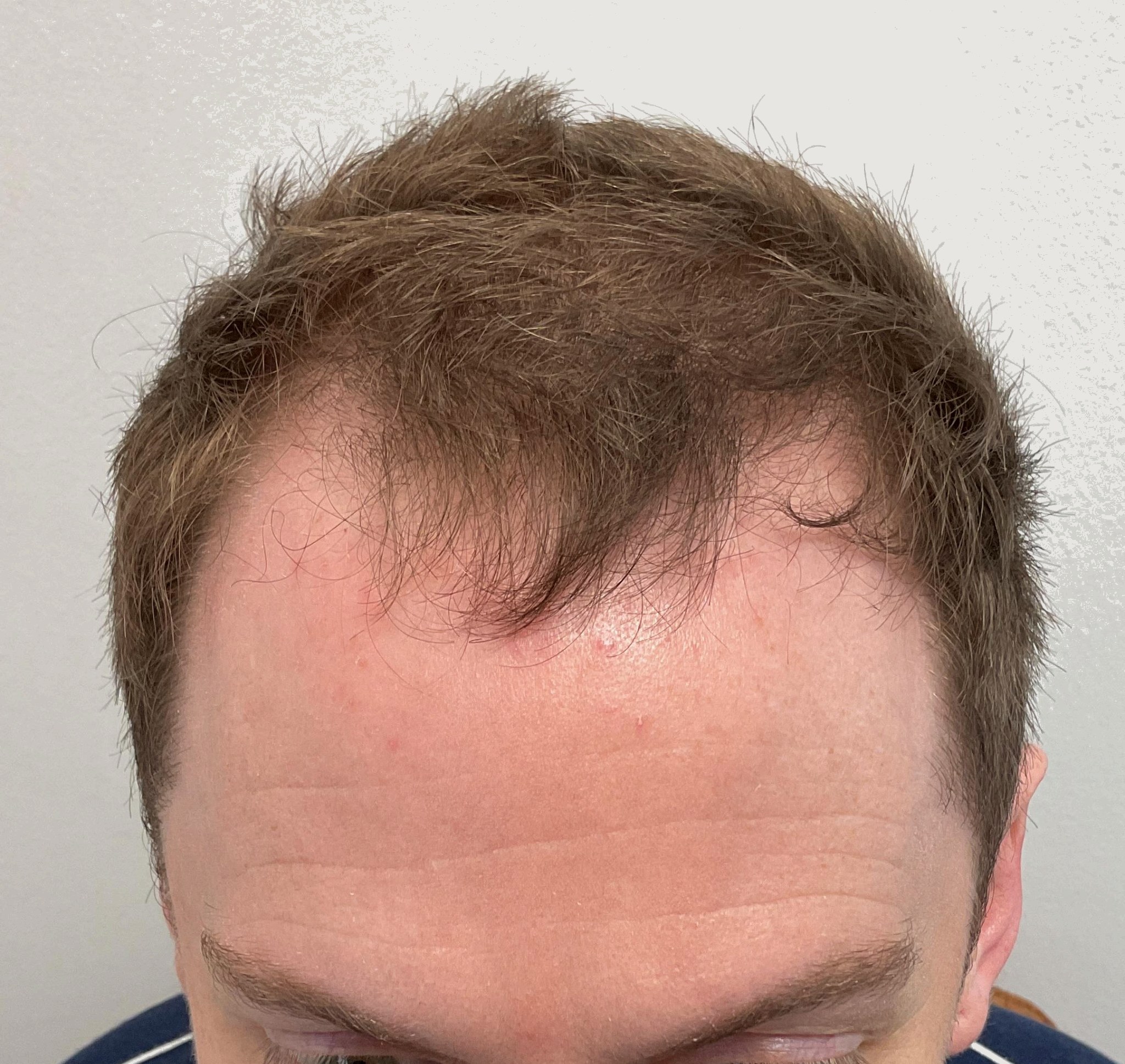
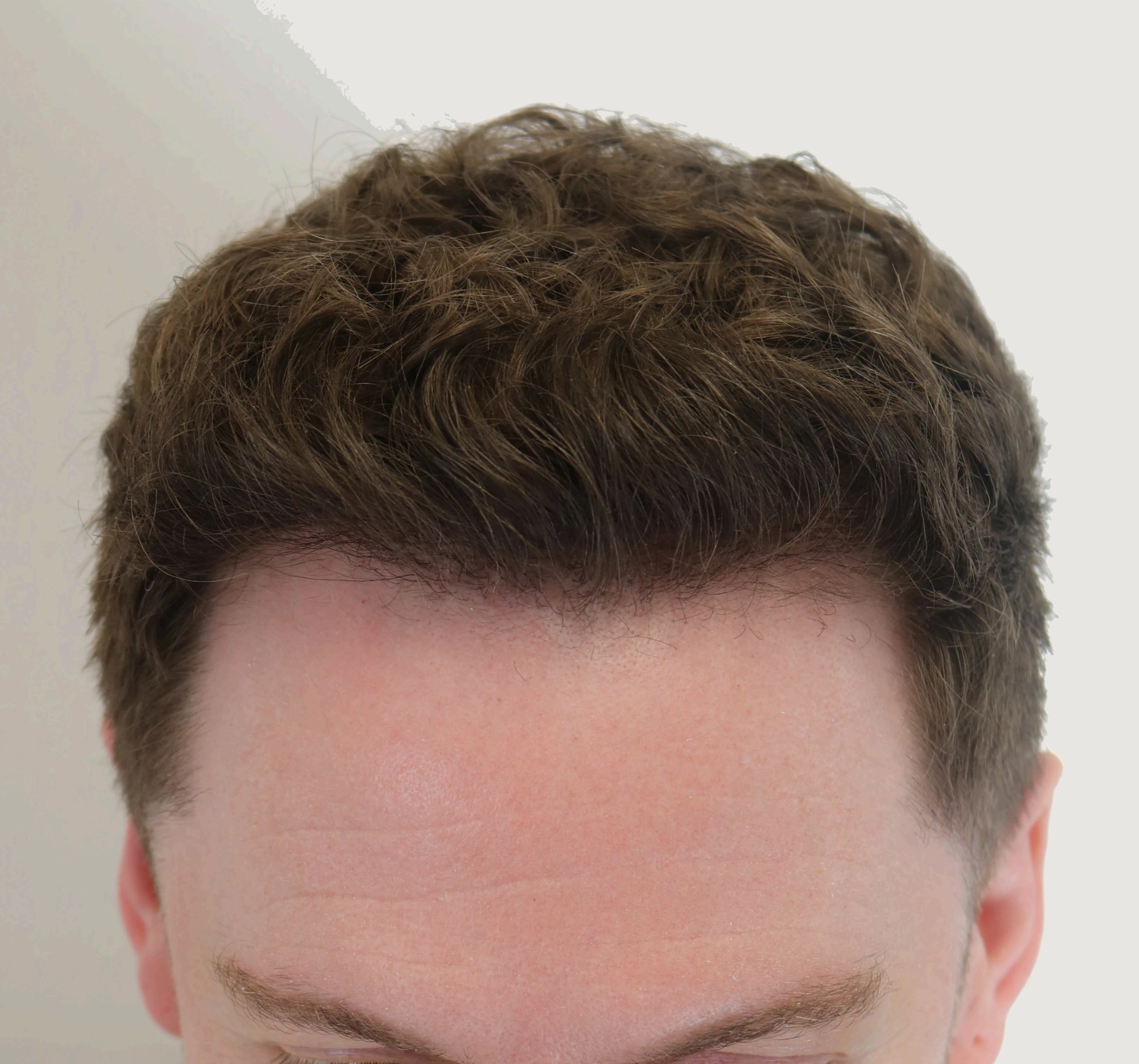
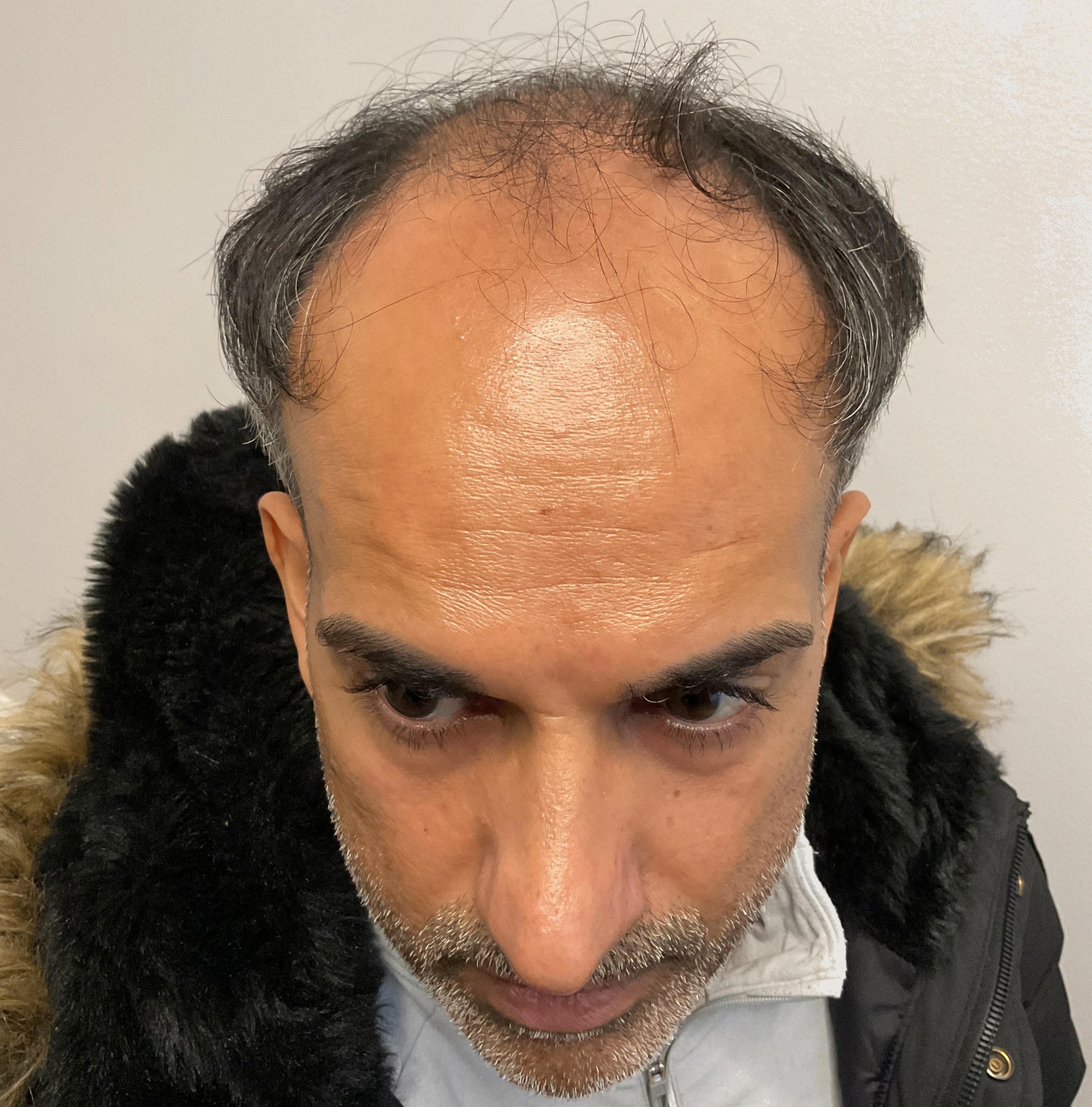
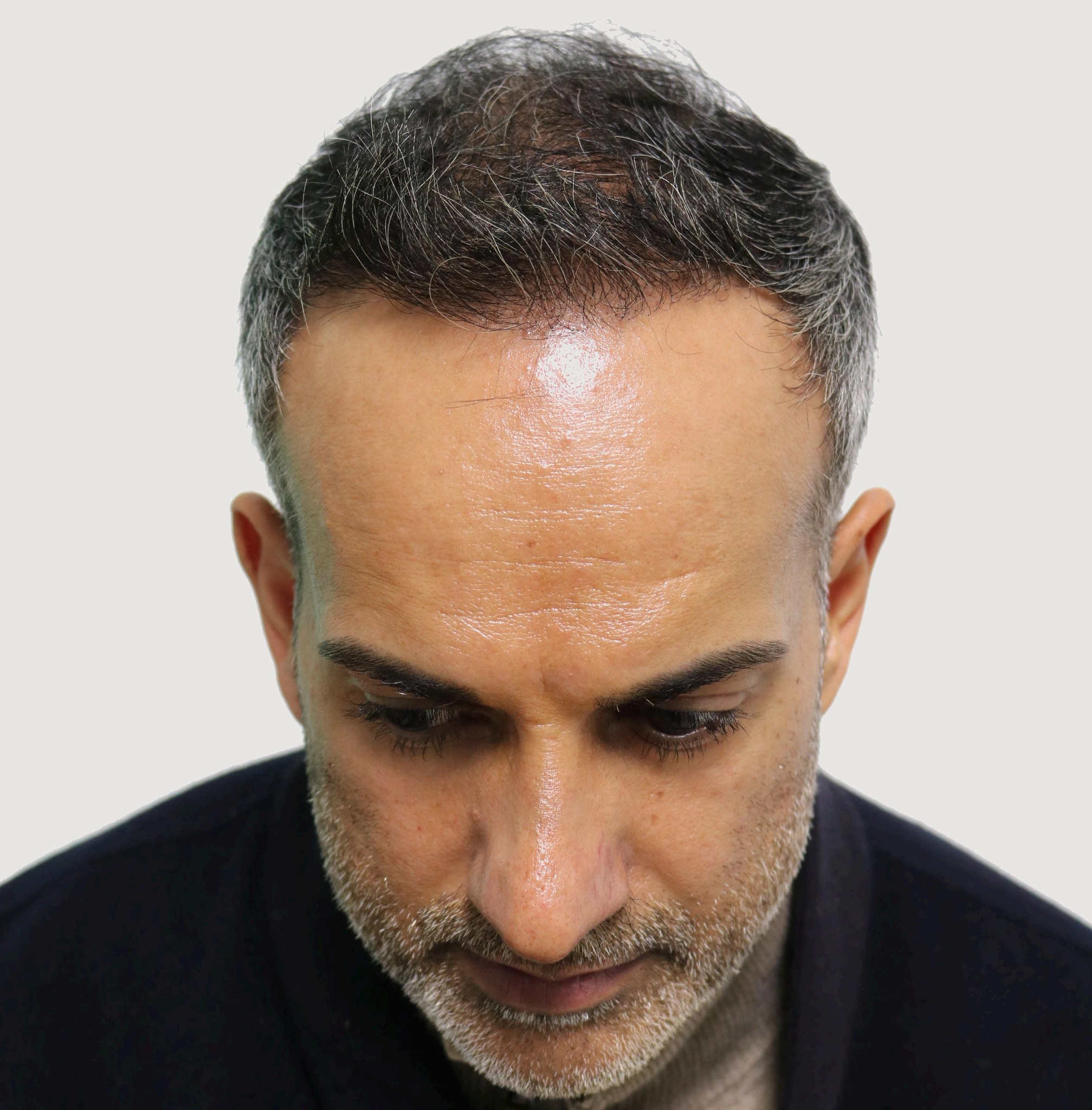
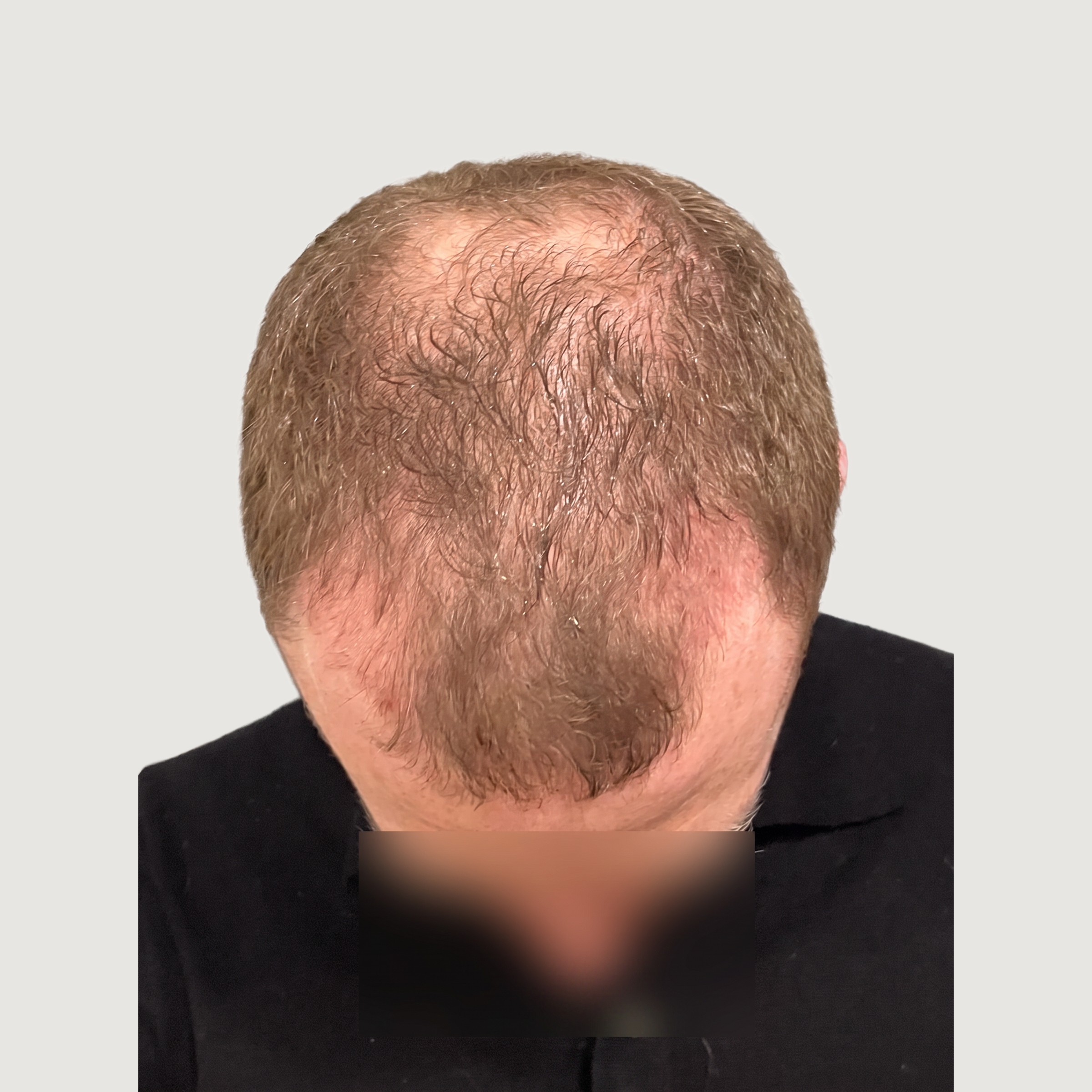
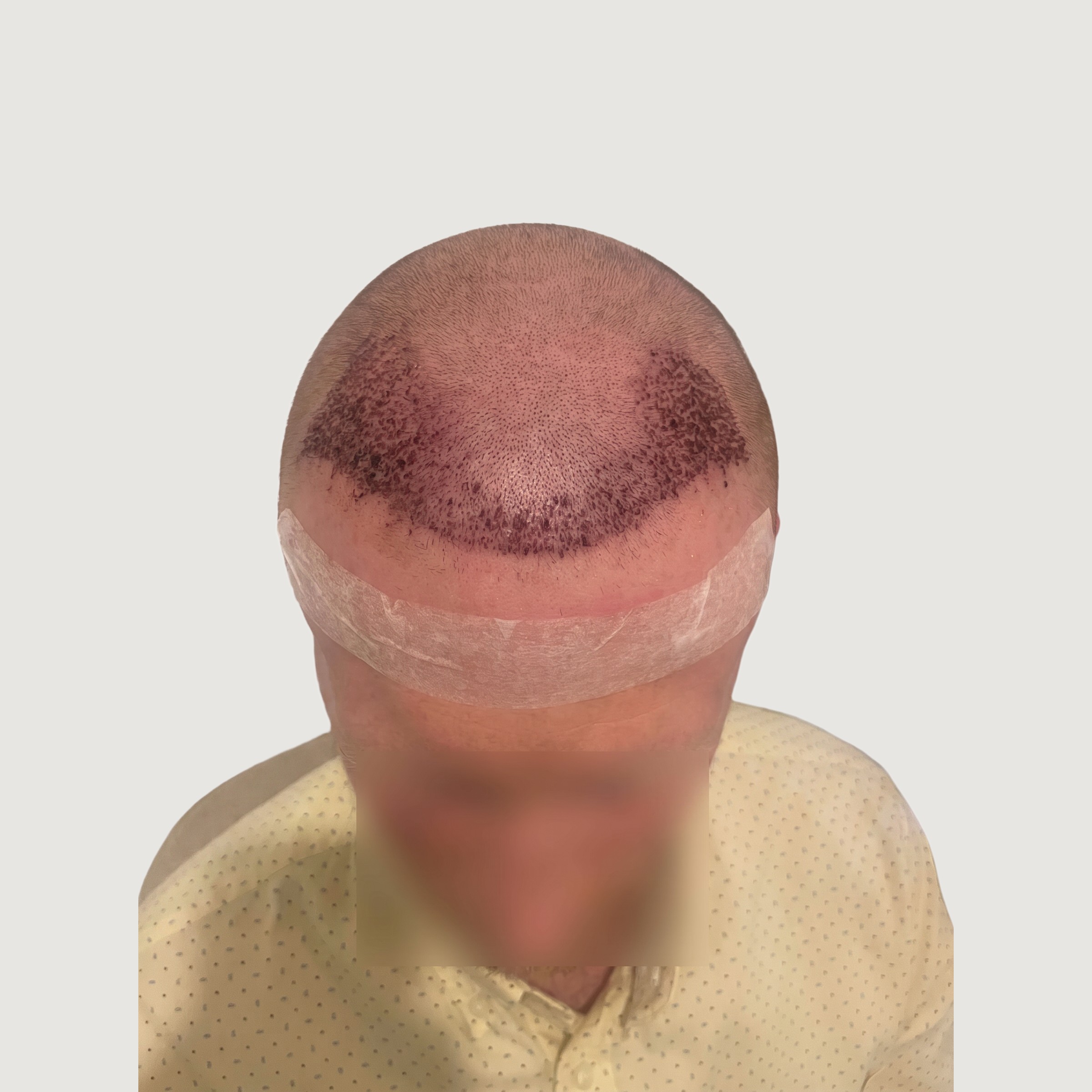
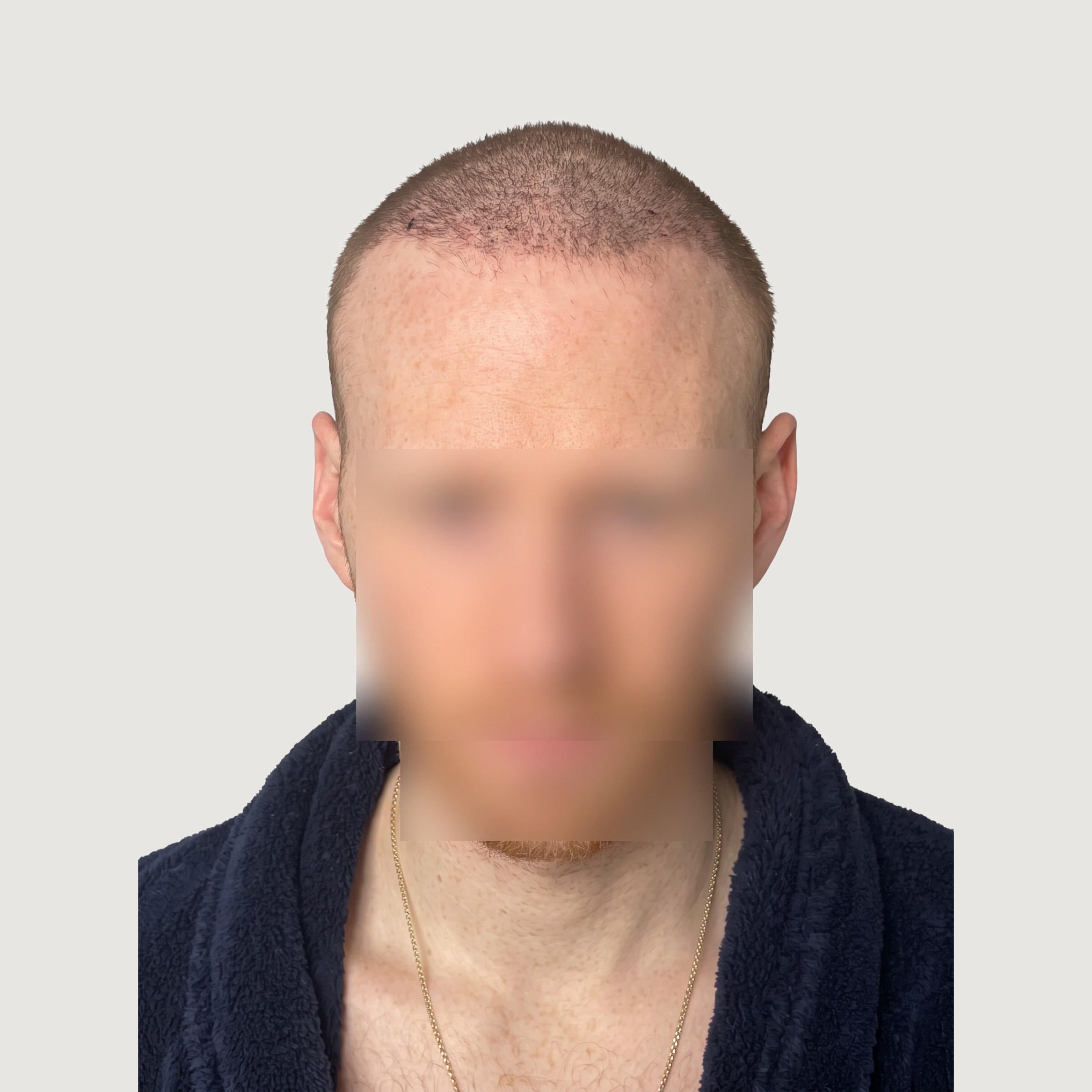
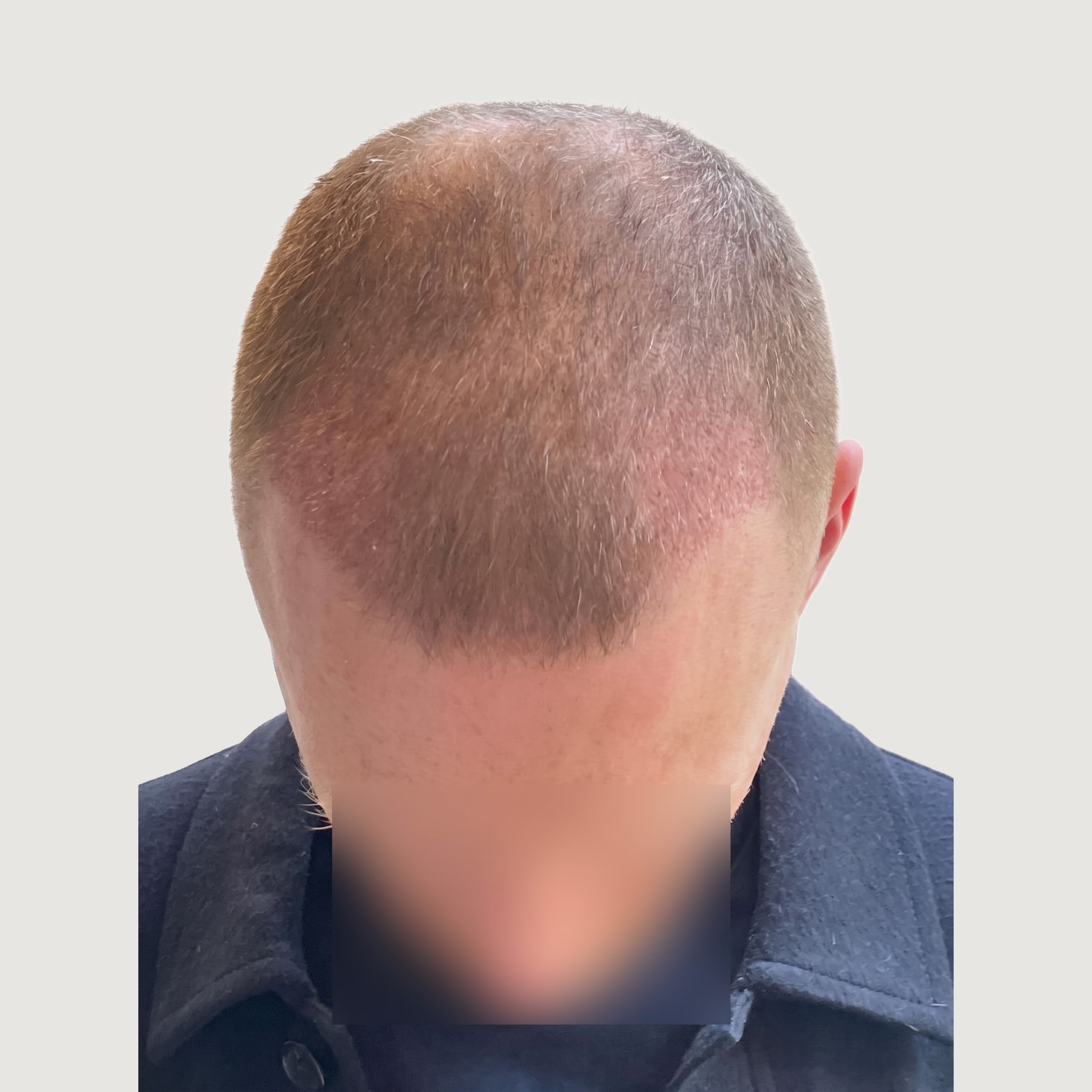
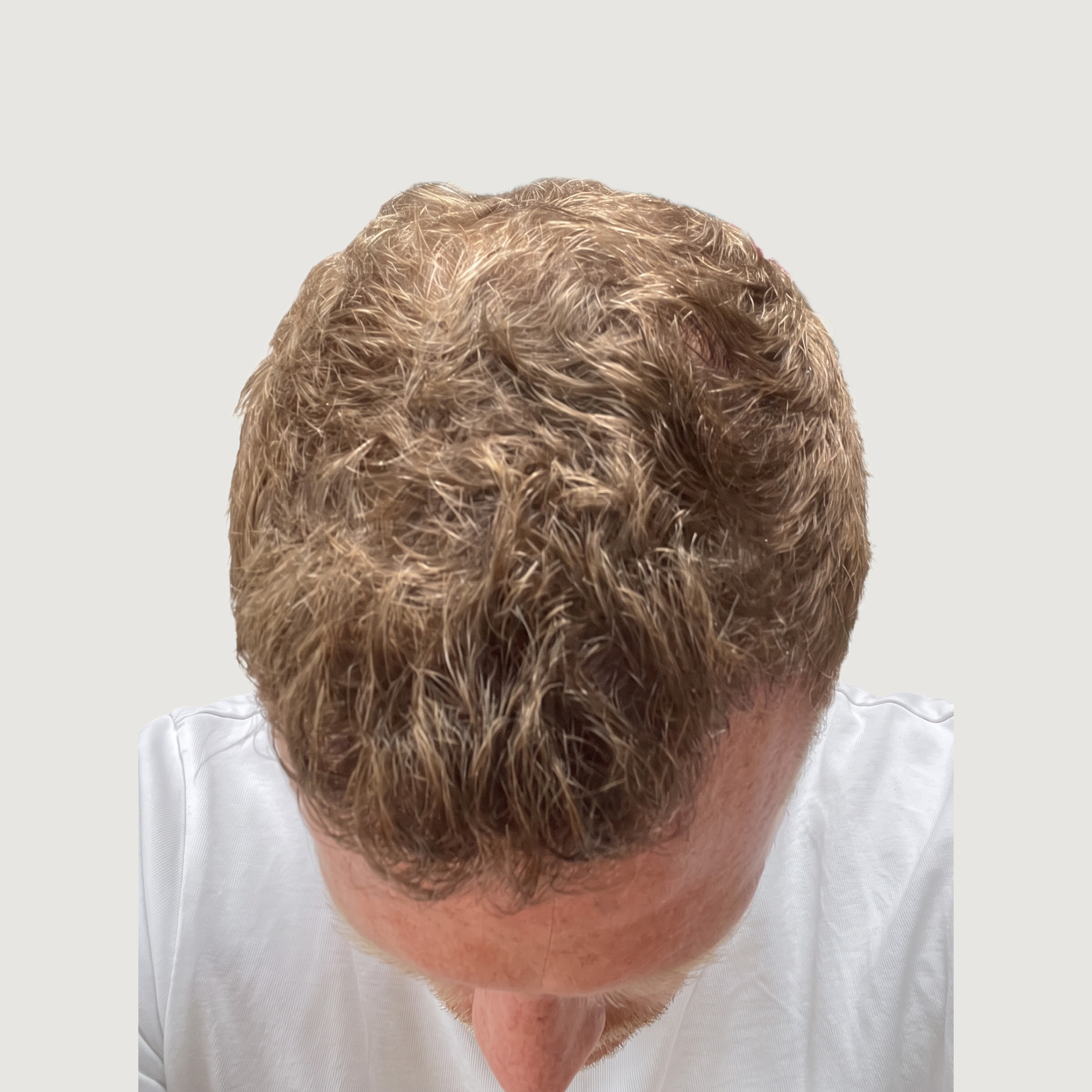
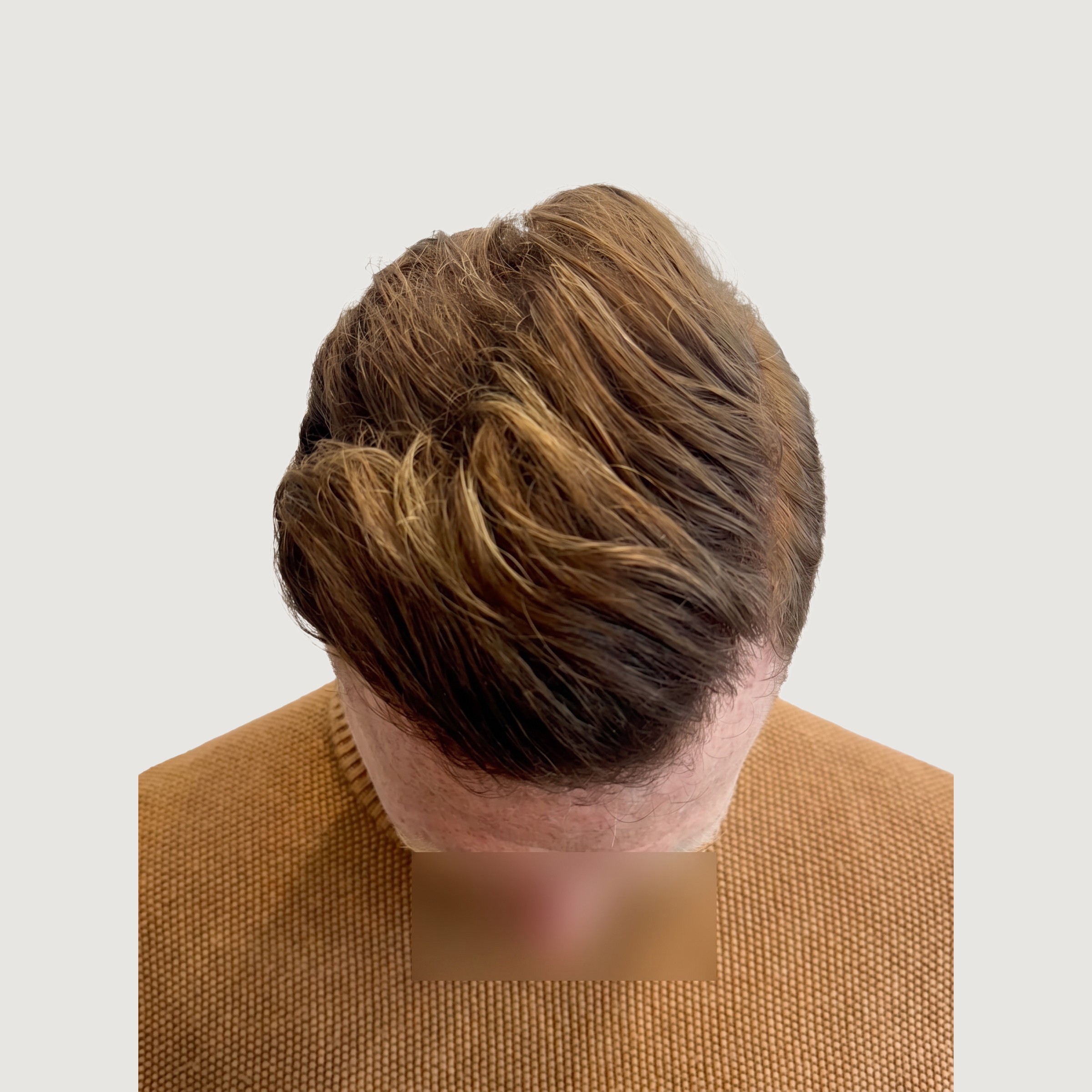
Sean's FUE Result
6 Months- Grafts:1,674
- Hairs:3,624
- Type:Androgenetic Alopecia
- Procedure:Hairline Reconstruction
Leeds · MRCS Surgeon
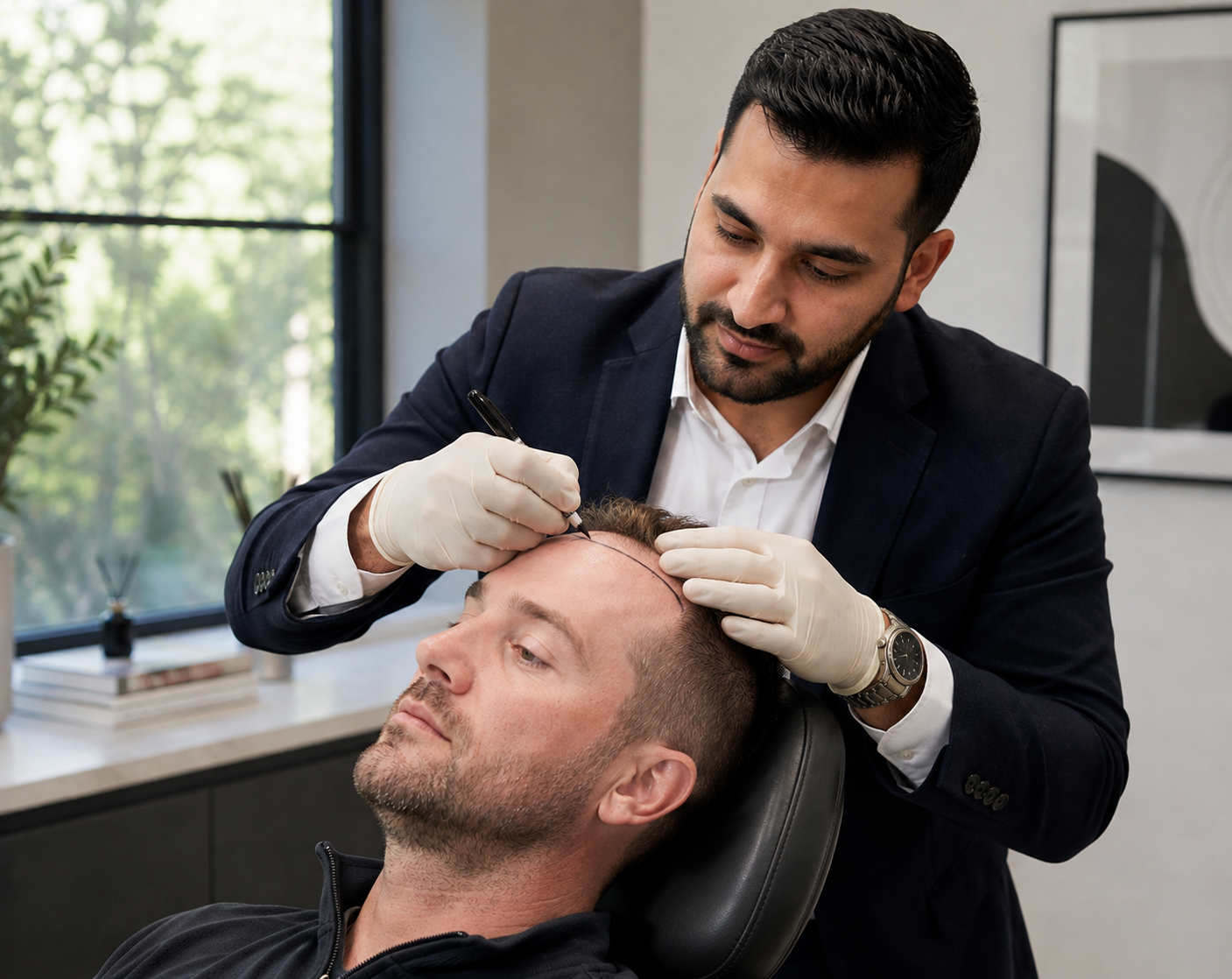
Restore your confidence with surgeon-led hair restoration in Leeds. Dr Raja focuses on natural-looking results, honest advice and treatment plans tailored to every individual.
Private Consultation
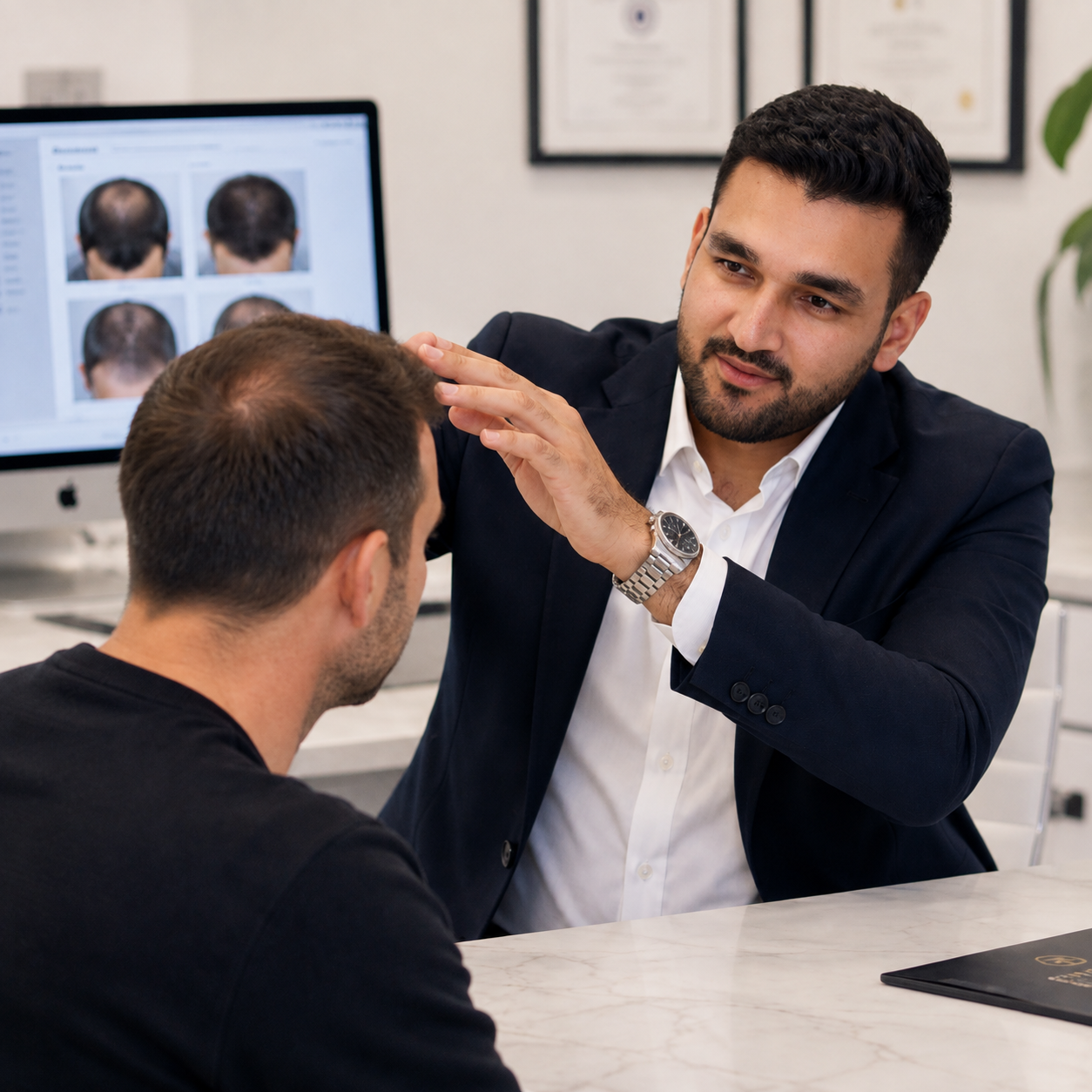
Speak directly with Dr Raja. No obligation, discreet, and tailored to your hair loss goals. Available online or in person to fit your lifestyle.
All fields are required.
Featured in


Real Patients. Real Results.
Every transformation you see here is a real patient treated by our expert surgeons. No filters. No gimmicks. Just natural, life-changing results.
Request a Consultation“I had my hair transplant with Dr Raja 6 months ago and I'm really happy with the results so far. The whole process was professional, clear, and reassuring from start to finish. The team were excellent and the aftercare was great. Highly recommend.”


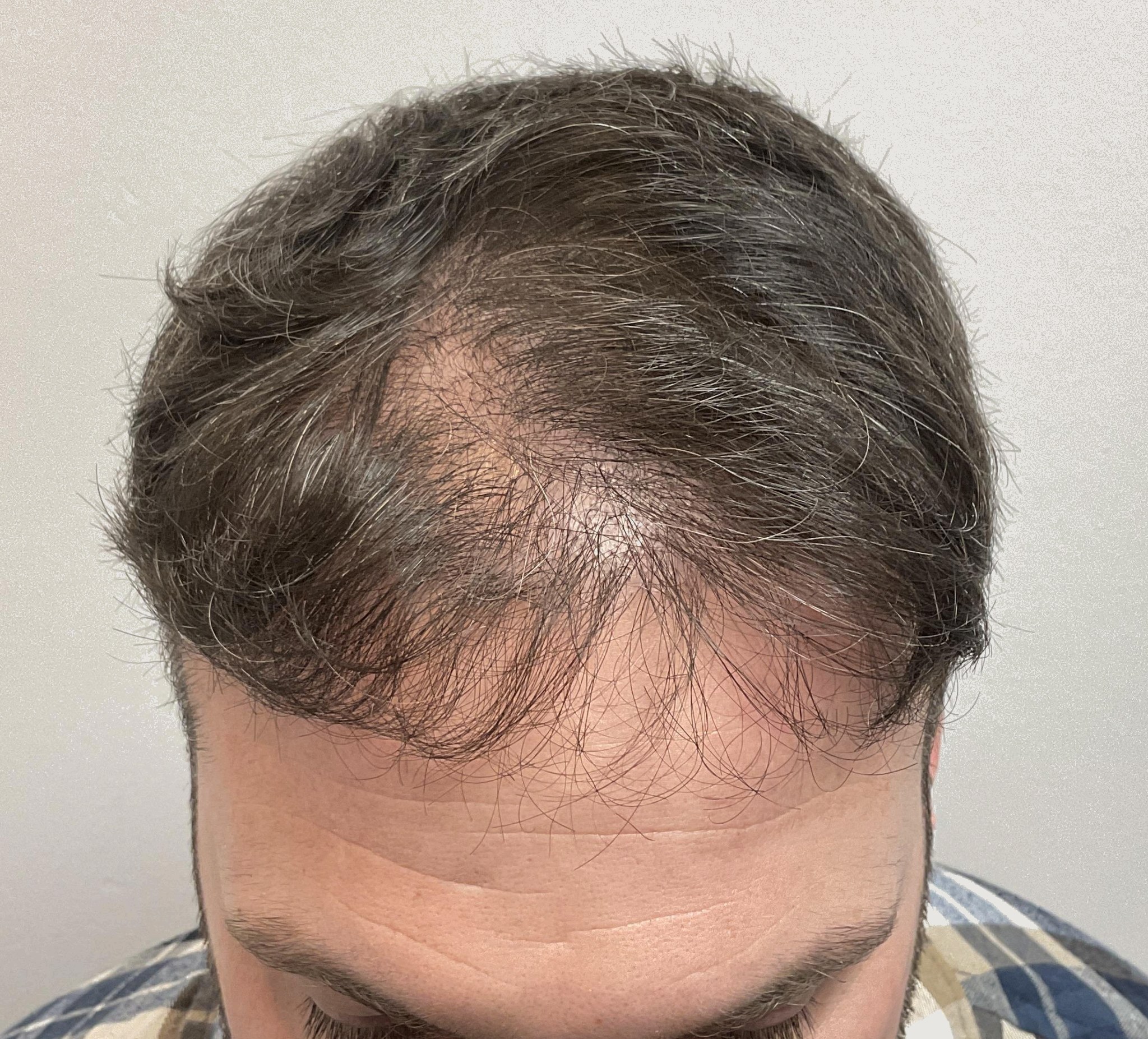
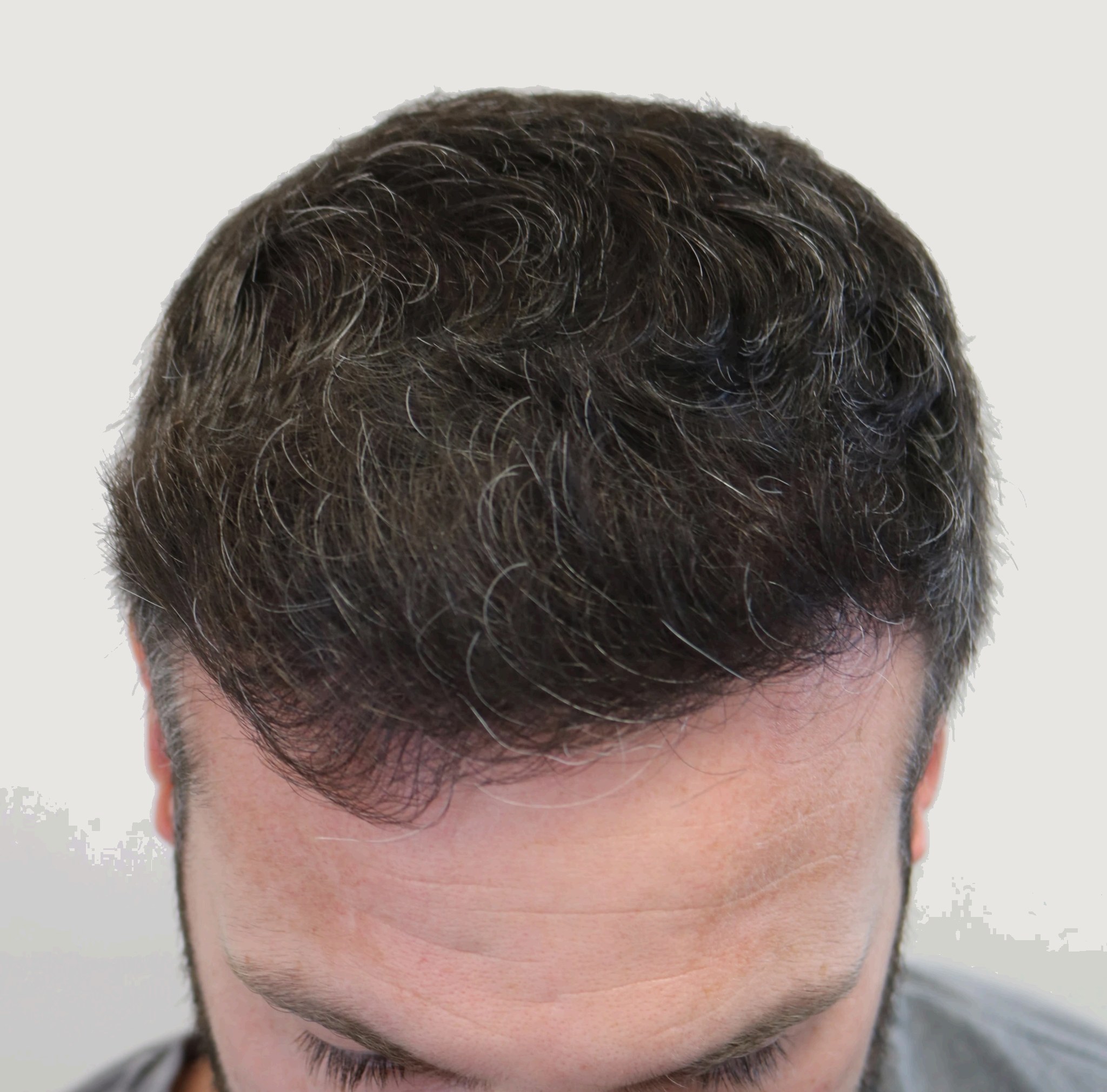
Before & After Gallery
Every result is achieved by Dr Raja personally, using precision FUE techniques tailored to each patient's hairline, density, and long-term goals.
Alex's hair growth journey
From his first consultation with Dr. Raja to his final results twelve months later, follow Alex's transformation and discover how natural, lasting results develop throughout the recovery journey.

Meet Your Surgeon
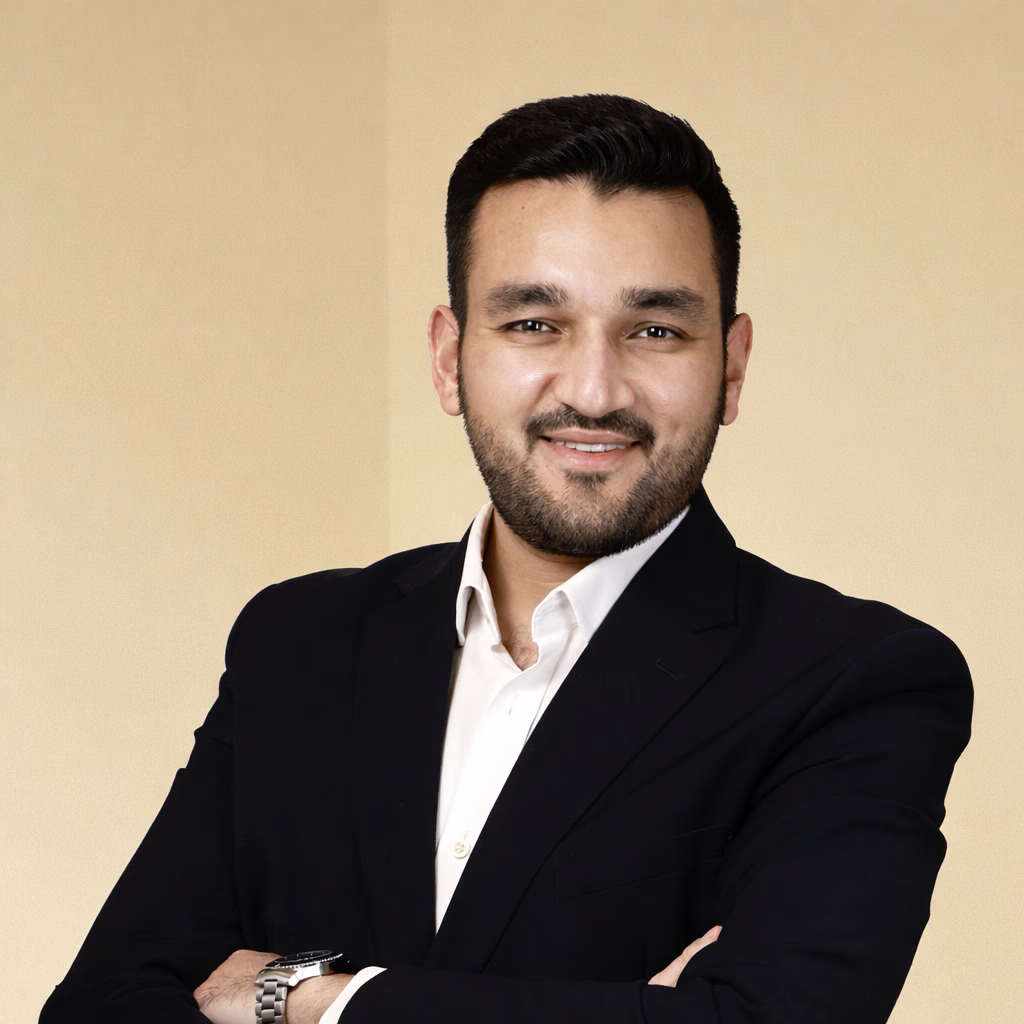
Dr Furqan Raja has been honoured with two major accolades — the Prestige Awards and the GHP Global Excellence Awards — naming him Best Hair Transplant Surgeon. These awards recognise his pioneering techniques and outstanding patient care, cementing his reputation as one of the most respected hair surgeons in the world.
Trusted by professionals and public figures who need discreet, natural-looking results, his award-winning practice reflects that level of expertise.
Dr. Furqan Raja
MRCS · Lead Surgeon


Why Choose Dr Raja
A hair transplant isn't simply about moving follicles from one area to another. It's about understanding facial proportions, planning for future hair loss and creating results so natural that nobody can tell you've had a procedure. That's why patients from across the UK choose Dr. Raja for their hair restoration journey.
Guidance from Dr Raja
Short videos from Dr Raja explaining the recovery process, healing timeline and what your results will look like at each stage.
Dr Raja walks through what to expect week by week as your transplant heals and new hair begins to grow.
A clear look at the growth timeline — from the initial shedding phase through to your final, natural result.
See what the scalp looks like just seven days after surgery and how the healing process begins.
Don't just take our word for it
Rated 5 stars on Google by patients who have trusted Dr Raja with their hair restoration journey.

Visit Us
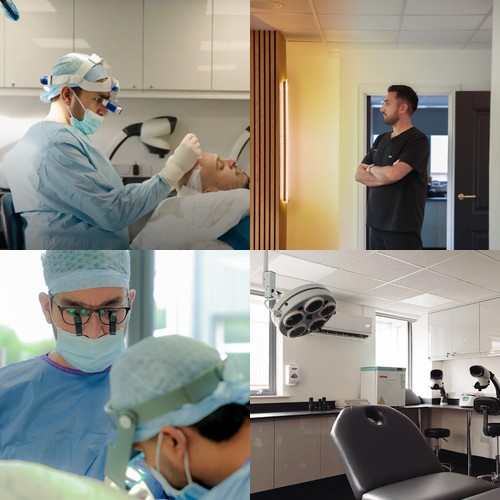
Located near Leeds city centre, our clinic offers discreet, surgeon-led care to patients across Yorkshire.
Address
Unit B, Spectrum Park, Whitehouse St, Hunslet, Leeds LS10 1AD
Frequently asked questions
Considering a hair transplant is a big decision. Here are the questions patients most often ask Dr Raja before starting their journey.
A hair transplant can be an excellent solution if you're experiencing hair loss, a receding hairline, male pattern baldness, female hair loss, or thinning hair that has not responded to other treatments. The best candidates typically have healthy donor hair at the back or sides of the scalp and realistic expectations about the results.
During a consultation, your surgeon will assess the cause of your hair loss, the extent of thinning, your donor hair quality, and your long-term goals before recommending the most suitable treatment. This may include FUE, FUT, or a personalised plan that combines surgical and non-surgical options.
A successful procedure is about more than replacing lost hair — it involves designing a natural-looking hairline that complements your features and delivers long-lasting, undetectable results.
Yes, a hair transplant is considered a permanent solution for hair loss. Healthy follicles are taken from the donor area — typically the back and sides of the scalp — and transplanted to areas affected by thinning or baldness. These donor hairs are genetically resistant to the hormone responsible for male pattern baldness, allowing them to keep growing for many years.
Whether you undergo FUE or FUT, the transplanted hair will grow naturally and can be washed, cut and styled just like the rest of your hair. Your existing non-transplanted hair may continue to thin over time, so Dr Raja will create a long-term plan that considers your future pattern of hair loss.
With FUE (Follicular Unit Extraction), individual follicles are removed using tiny punches, leaving small dot-like scars that are typically difficult to detect once the surrounding hair has grown. This makes FUE a popular choice for patients who prefer to wear their hair shorter.
With FUT (Follicular Unit Transplantation), a thin strip of scalp is removed from the donor area, resulting in a fine linear scar that is usually hidden beneath the surrounding hair.
Visibility of any scar depends on your healing response, hairstyle, skin type and the surgical technique used. Choosing a highly skilled surgeon and following aftercare will help ensure the most natural outcome.
Most patients are surprised by how comfortable a hair transplant is. Both FUE and FUT are performed under local anaesthetic, which numbs the scalp so you should feel little to no pain during the procedure. You may notice a brief stinging sensation when the anaesthetic is administered, but this typically lasts only a few seconds.
Afterwards, it's normal to experience mild tenderness, swelling or tightness for a few days. These symptoms are usually well managed with over-the-counter or prescribed pain relief and tend to resolve quickly.
Your comfort is a priority throughout every stage of treatment. Dr Raja uses advanced techniques to minimise discomfort and support a smooth recovery.
Not everyone who has a hair transplant will need medication, but it may be recommended depending on the cause and stage of your hair loss. A transplant permanently relocates healthy follicles, but it does not stop the natural progression of hair loss in the surrounding non-transplanted hair.
To help maintain your results, Dr Raja may recommend clinically proven treatments such as finasteride or minoxidil to slow further loss and preserve existing hair. Following surgery, short-term medication such as antibiotics or anti-inflammatories may also be prescribed to support healing.
Follicular Unit Extraction (FUE) and Follicular Unit Transplantation (FUT) are the two most established hair transplant techniques used today. Both aim to transplant healthy follicles from a donor area (usually the back and sides of the scalp) to areas experiencing thinning or baldness.
While the end objective is the same, the methods used to harvest donor hair differ significantly, affecting scarring, recovery time, graft yield, cost and suitability for different patients.
Understanding these differences will help you make a more informed decision — and Dr Raja will guide you through the best option during your consultation.
Hair restoration is a gradual process, and results do not appear immediately. A typical growth timeline looks like this:
Week 1–2: Healing begins and small scabs fall away.
Month 1: Transplanted hairs often shed — a normal process called shock loss.
Months 3–4: New hair growth starts to emerge.
Months 6–8: Significant thickening becomes noticeable.
Months 9–12: Most patients see major improvements.
Months 12–18: Final maturation and density development.
Patience is essential — hair grows slowly and the transplanted follicles need time to enter a new growth cycle.
Speak privately with Dr Raja — online or in person — and discover a hair restoration plan tailored to your goals. No obligation, always discreet.